What Is Día de los Muertos? Meaning, Ofrendas & Traditions
Día de los Muertos, or Day of the Dead, is a tradition of remembrance in which families and communities honor departed loved ones and welcome their memory back into the world of the living. It is especially associated with Mexico and Mexican communities, and its observances bring together Indigenous traditions, Catholic holy days, family customs, regional practices, art, food, flowers, music, and storytelling.
Rather than treating death only as something frightening, Día de los Muertos affirms that love, identity, and family memory continue. Photographs are displayed. Favorite foods are prepared. Graves are cleaned and decorated. Candles burn beside bright marigolds. The names and stories of the dead are spoken again.
Día de los Muertos is not “Mexican Halloween.” The dates are close and both holidays use skeleton imagery, but Día de los Muertos has its own cultural history, spiritual meaning, and traditions centered on remembrance and reunion.

Create a Candle Ritual of Remembrance
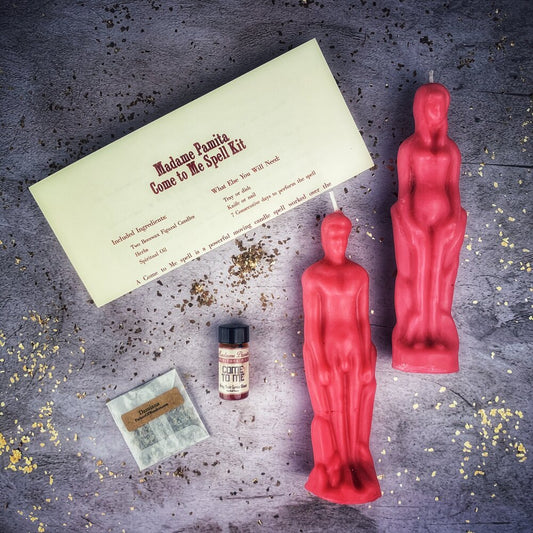
The Día de los Muertos Candle Spell Kit includes two handcrafted beeswax Catrin and Catrina candles, three herbs, spiritual oil, and complete instructions for ancestor connection, remembrance, and spirit work.
What Is Día de los Muertos?
Día de los Muertos is a living cultural tradition devoted to the dead. Its forms vary across Mexico, Indigenous communities, regions, families, and Mexican and Latino communities in the United States and elsewhere. There is no single ofrenda design, food, or ritual shared by every celebration.
The observance reflects the meeting of Indigenous Mexican beliefs and practices with the Catholic calendar introduced during Spanish colonization. UNESCO recognizes Mexico’s Indigenous festivity dedicated to the dead as part of the Intangible Cultural Heritage of Humanity, emphasizing its deep importance to community life.
At the heart of the tradition is a temporary reunion. Families prepare to receive the memory or spiritual presence of deceased relatives with light, fragrance, food, photographs, music, prayer, and affection. The dead are not reduced to symbols of loss. They return as members of the family.
When Is Día de los Muertos Celebrated?
Día de los Muertos is most commonly observed on November 1 and November 2, although preparation and community events may begin in late October.
- November 1: often associated with remembering infants and children who have died
- November 2: commonly dedicated to deceased adults
Specific dates, names, and customs differ by place and family. It is always better to learn from the community or tradition you are engaging with than to assume every celebration follows the same formula.
Is Día de los Muertos Mexican Halloween?
No. Día de los Muertos and Halloween occur close together and both may feature skulls, skeletons, candles, and images of death, but their histories and purposes are different.
Halloween developed from a blend of Gaelic seasonal customs, Christian observances, European folklore, immigration, and North American popular traditions. Día de los Muertos is rooted in Mexican cultural and religious traditions of welcoming and remembering the dead.
Skeletons in Día de los Muertos art are not merely horror decorations. They often appear colorful, elegant, humorous, musical, hungry, fashionable, and fully engaged in life. They express the closeness of life and death while refusing to let death erase personality, beauty, family, or joy.
What Is an Ofrenda?
An ofrenda is an offering or altar created to honor the dead. It may be built in a home, cemetery, school, museum, community center, or public space. Some ofrendas are intimate and dedicated to one relative; others commemorate many people or a whole community.
An ofrenda is not a shrine to death itself. It is an arrangement of welcome and remembrance. Every object helps tell the story of who is being honored.
What Goes on a Día de los Muertos Ofrenda?
- Photographs: identify and welcome the people being remembered
- Candles: provide light and help guide loved ones toward the altar
- Cempasúchil or marigolds: their brilliant color and fragrance are traditionally associated with guiding the dead
- Water: refreshes travelers after their journey
- Favorite foods and drinks: recall personality, pleasure, hospitality, and family life
- Pan de muerto: the traditional sweet bread of the season
- Copal: fragrant resin used in cleansing and ceremonial offerings
- Papel picado: cut-paper banners that add movement, color, and a reminder of life’s fragility
- Personal possessions: books, tools, toys, clothing, musical objects, or other items connected to the person’s life
- Calaveras: decorated skull imagery, including sugar skulls, that treats mortality with color, artistry, and personality
You do not need every item on this list. Begin with a photograph or written name, a candle, water, and something the person loved. An ofrenda becomes meaningful through specific memory, not through the number of decorations it contains.
Día de los Muertos Symbols and Traditions
Marigolds
The bright orange and yellow cempasúchil is often called the flower of the dead. Its saturated color and powerful fragrance are traditionally used to mark a path and draw loved ones toward the ofrenda.
Calaveras and Sugar Skulls
Calavera means skull. Calaveras appear in sweets, masks, art, poetry, and decorations. Decorated sugar skulls may bear names and are often cheerful rather than gruesome. They remind us that death belongs to every life and that the dead remain distinct, beloved individuals.
La Catrina, Catrines, and Catrinas
The elegantly dressed skeleton now known as La Catrina grew from the satirical art of Mexican printmaker José Guadalupe Posada and was later given lasting cultural prominence by Diego Rivera. Catrines and Catrinas appear in formal clothing, showing that status and fashion cannot exempt anyone from mortality.
Food, Music, and Storytelling
Remembrance is not limited to silence. Families may cook, eat, sing, play music, visit graves, tell funny stories, and celebrate what made a person unmistakably themselves. Grief and joy do not cancel one another; both can be present at the same table.
Cemetery Visits
In many communities, families clean and decorate graves, bring flowers and offerings, pray, play music, or remain together at the cemetery. These customs vary, and cemeteries are active sacred and community spaces rather than aesthetic backdrops.
How to Honor Loved Ones Respectfully
If Día de los Muertos is not part of your own cultural background, approach it as a specific Mexican tradition rather than a generic “spooky season” theme. Learn its history, support Mexican artists and community events, avoid turning sacred or personal practices into costume props, and center real remembrance.
A respectful personal observance might include:
- Learning from a museum, cultural center, artist, teacher, or community event led by people connected to the tradition
- Creating a remembrance space for your own departed loved ones without claiming a cultural identity that is not yours
- Displaying real photographs and sharing specific stories rather than using anonymous images of the dead
- Preparing a loved one’s favorite food and explaining why it mattered to them
- Supporting Mexican-owned businesses, artists, bakeries, and cultural organizations
- Using calavera imagery with understanding rather than treating it as interchangeable with Halloween horror
Candle Magic for Remembrance and Ancestor Connection
A candle can serve as beacon, offering, memorial, and focal point. Parlour of Wonders’ seasonal kits pair handcrafted beeswax candles with three ritual herbs, spiritual oil, and instructions for a focused remembrance or ancestor working.
Día de los Muertos Candle Spell Kit
The Día de los Muertos Candle Spell Kit includes two beeswax skeleton candles. Choose your combination of Catrin and Catrina figures and select a color aligned with remembrance, ancestral guidance, protection, healing, prosperity, spirit communication, intuition, or grounding.
Use the pair to honor beloved people, represent an enduring relationship, create a dedicated ancestor ritual, or focus mediumship and divination work within clear spiritual boundaries.
Sugar Skull Candle Spell Kit
The Sugar Skull Candle Spell Kit features a handcrafted Calavera candle for joyful remembrance and the continuing bond between the living and the dead.
Place it on an ofrenda or ancestor altar, use it to give thanks for previous generations, preserve family stories, seek comfort in grief, or invite loving ancestral wisdom and protection. Ten candle colors allow you to shape the ritual around the person and purpose being honored.
When working with any candle, use a stable fire-safe surface and keep the flame away from papel picado, dried flowers, fabric, photographs, food packaging, and other flammable ofrenda materials. Never leave a candle burning unattended.
Frequently Asked Questions About Día de los Muertos
What does Día de los Muertos mean in English?
Día de los Muertos means “Day of the Dead.” Despite the singular English translation, the observance commonly unfolds across November 1 and 2 and may include preparations beginning earlier.
Is Día de los Muertos supposed to be sad?
Grief may be present, but the holiday is also joyful, affectionate, colorful, and celebratory. It honors the personalities and lives of those who died and affirms that remembering them keeps an important relationship alive.
What is the difference between Día de los Muertos and Halloween?
Halloween and Día de los Muertos have different cultural histories and central purposes. Halloween is associated with costumes, trick-or-treating, supernatural folklore, and autumn entertainment. Día de los Muertos is a Mexican tradition centered on ofrendas, family remembrance, cemetery visits, offerings, and the return of departed loved ones.
Can anyone make an ofrenda?
Anyone can create a memorial altar for loved ones. If you specifically call it a Día de los Muertos ofrenda, learn about the Mexican traditions you are drawing from, acknowledge their origin, and keep remembrance—not decoration—at the center.
What do the candle colors mean?
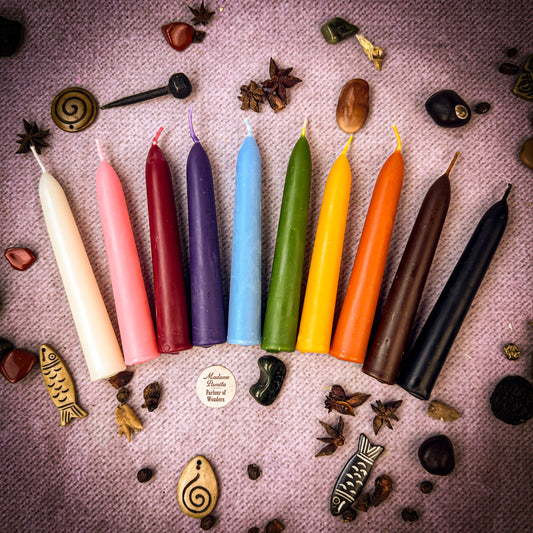
Meanings vary by magical system and personal intention. In Parlour of Wonders’ kits, white supports blessings and peace, black protection, blue healing and communication, orange pathways and breakthroughs, purple intuition and ancestral wisdom, pink affection, red enduring love, green prosperity, yellow joyful remembrance, and brown grounding and family foundations.
Can I use a candle spell kit on an ofrenda?
Yes, provided the candle is placed securely on a fire-safe surface with generous space around it. Keep flames far from paper banners, photographs, cloth, flowers, and decorations, and never leave them unattended.
Love and Memory Endure
Día de los Muertos teaches that remembrance can be an act of hospitality. We make a place at the table. We light the path. We prepare what someone loved. We say the name again and allow stories to restore the full color of a life.
The dead do not become less important because time has passed. When we remember with care, they continue to shape the living world through recipes, sayings, photographs, music, lessons, sacrifices, jokes, and love.
Create a Candle Ritual of Remembrance
Honor departed loved ones with handcrafted beeswax candles, ritual herbs, spiritual oil, and complete instructions for meaningful ancestor work.